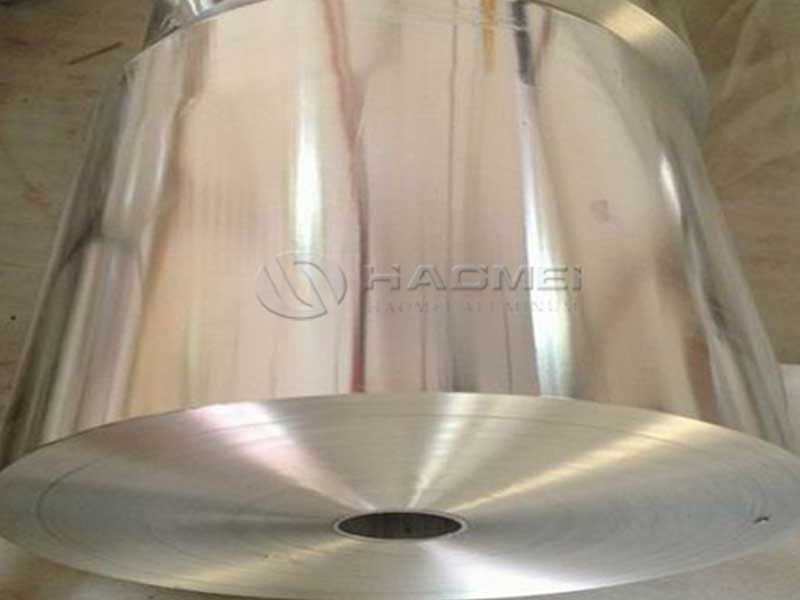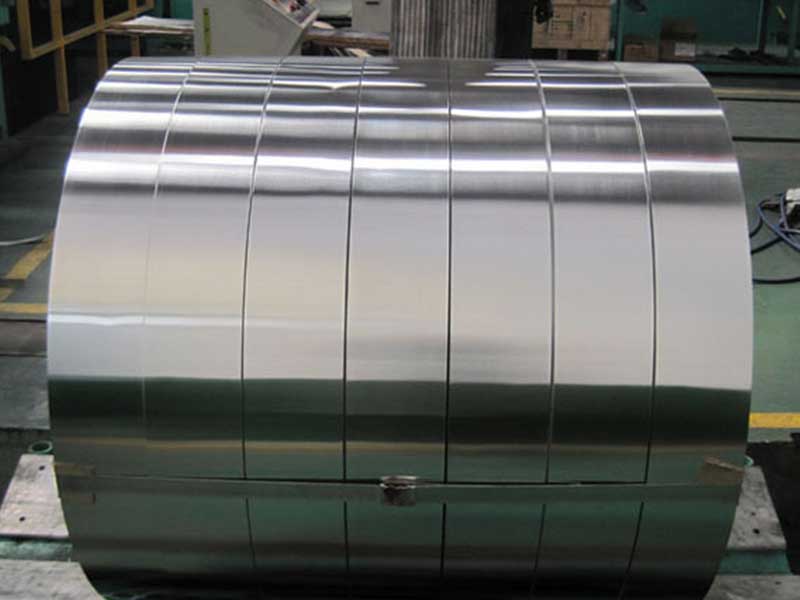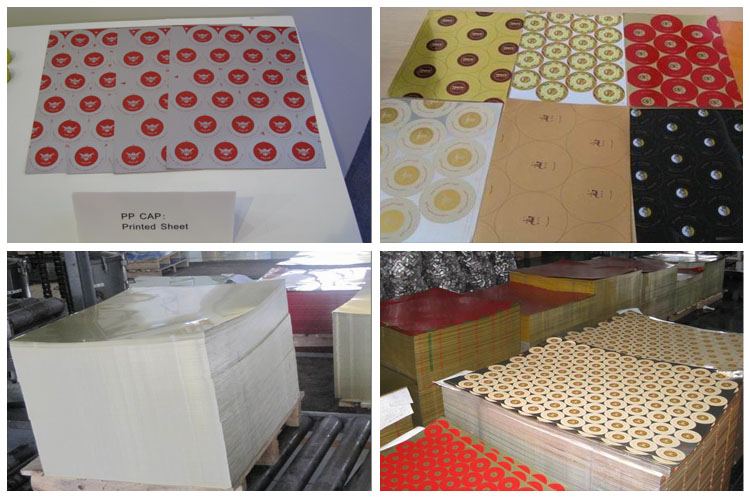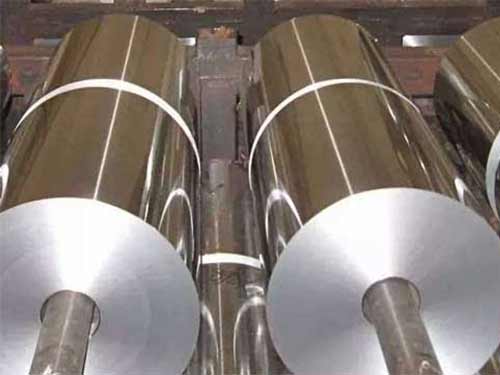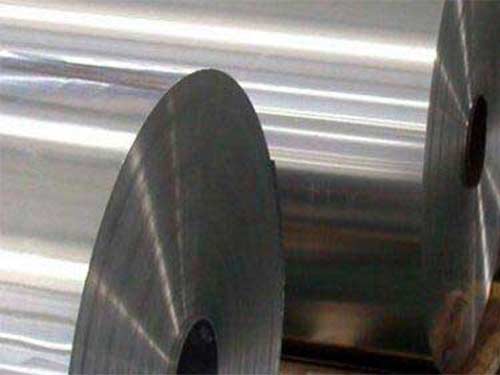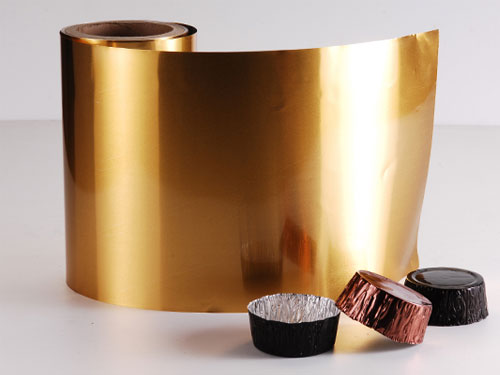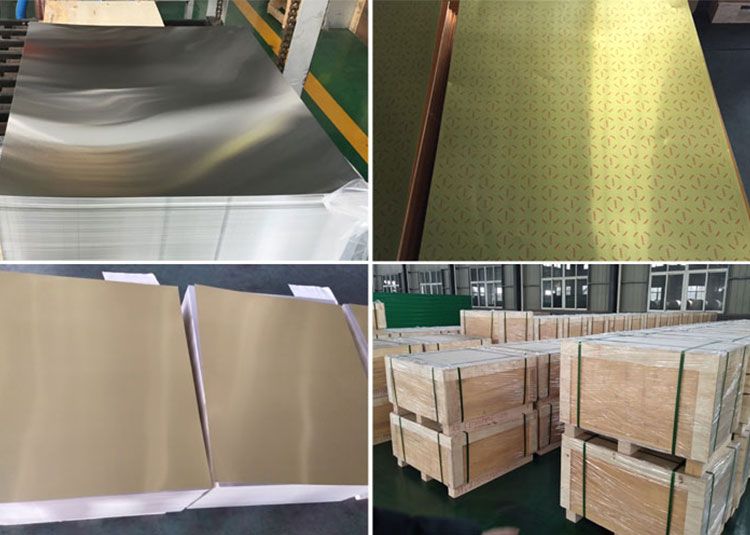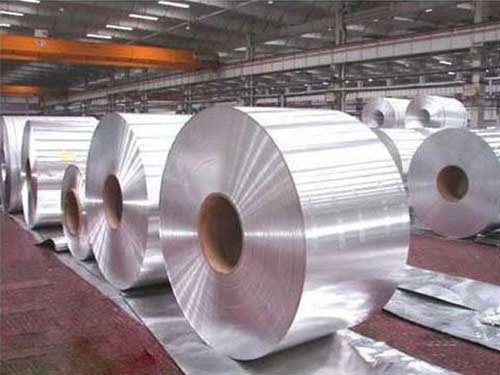

Soft temper aluminum foil for heat sealing in pharmaceutical packaging looks deceptively simple: a thin, silvery sheet that disappears behind blister lidding or sachets. Yet its behavior under heat, pressure, humidity, and time is the result of carefully balanced metallurgy, surface chemistry, and regulatory discipline. it from the “inside out” – from grain structure to seal interface – reveals why this material has become the backbone of modern medicine protection.
Seeing Soft Temper Foil as a Controlled Interface, Not Just a Barrier
Most discussions treat foil mainly as a barrier: keep out oxygen, light, moisture, and you are done. A more realistic perspective is to see soft temper aluminum foil as a controlled interface between three worlds:
- The internal pharmaceutical environment: tablets, capsules, powders, or liquids with their own sensitivities and reactive tendencies.
- The external world: moisture, oxygen, volatiles, migration risks, mechanical abuse.
- The sealing system: heat, pressure, dwell time, and the chemistry of the lidding or sealing layer.
From this angle, the softness of the temper is not just a mechanical convenience. It is an engineered allowance for plastic deformation at the seal interface. The foil’s capacity to flow microscopically under the sealing head eliminates micro-voids and ensures continuity in peelable or peel-resistant seals. Stiff foil behaves like glass; soft temper foil behaves like metal that can “conform and lock” under designed stress.
Alloy Selection: Why Pharmaceutical Foil Is Almost Always “Quiet” Chemically
To serve as a stable interface, the alloy composition must be deliberately “quiet” from a chemical reactivity standpoint. This is why pharmacy-grade heat-sealing foil typically uses commercially pure or near-pure aluminum series.
Common alloys for soft temper pharmaceutical foil include:
- Alloy 8011: A classic for blister and strip pack lidding, strengthened by iron and silicon but still soft-temper capable.
- Alloy 8021: Higher performance for deep-draw and high-barrier laminates, with improved mechanical behavior in thin gauges.
- Alloy 1235: High-purity foil mainly used where chemical inertness and excellent formability are paramount.
The goal is to minimize the presence of aggressive alloying elements that could promote intergranular corrosion, unwanted migration, or surface instability under sterile or humid conditions.
Chemical Composition Table (Typical Ranges for Pharmaceutical Foil Alloys)
Values below are indicative ranges (weight %) based on common specification practice; exact limits vary by standard and supplier.
| Alloy | Si | Fe | Cu | Mn | Mg | Zn | Ti | Other each | Other total | Al (min) |
|---|---|---|---|---|---|---|---|---|---|---|
| 8011 | 0.50–1.0 | 0.60–1.0 | ≤ 0.10 | ≤ 0.10 | ≤ 0.05 | ≤ 0.10 | ≤ 0.08 | ≤ 0.05 | ≤ 0.15 | Balance |
| 8021 | 0.05–0.30 | 0.40–1.0 | ≤ 0.05 | ≤ 0.10 | ≤ 0.05 | ≤ 0.10 | ≤ 0.08 | ≤ 0.05 | ≤ 0.15 | Balance |
| 1235 | ≤ 0.65 | ≤ 0.65 | ≤ 0.05 | ≤ 0.05 | ≤ 0.05 | ≤ 0.10 | ≤ 0.03 | ≤ 0.05 | ≤ 0.15 | ≥ 99.35 |
This composition strategy does two things at once:
- Provides enough strength and handling resistance for slitting, laminating, and form-fill-seal operations.
- Maintains an oxide layer that is stable, adherent, and predictable when coated or laminated with heat-seal media and primers.
Soft Temper: Metallurgy Designed to Flow at the Right Moment
“Soft temper” in pharmaceutical foil is not just a marketing label. It corresponds to specific temper designations such as O (annealed) or fully softened versions of H-temper foils that have been subjected to a final annealing.
From a metallurgical viewpoint, soft temper foils exhibit:
- Low yield strength: allowing micro-conformance under sealing pressure so that the foil molds to microscopic irregularities in the substrate or blister cavity.
- High elongation: absorbing in-line mechanical stress without cracking, especially important during high-speed forming and punching.
- Stable grain structure: annealed grains that minimize strain hardening during repeated bending or forming.
Just as important as the temper naming is the control of recovery. If the foil hardens too quickly with cold work from form-fill-seal operations, you can suddenly lose sealing quality or experience unexpected cracking in deep draws.
Typical mechanical parameters for soft temper pharmaceutical foil (indicative ranges):
| Parameter | Range (typical, dependent on thickness) |
|---|---|
| Temper | O, soft |
| Tensile strength (MPa) | ~60–120 |
| Yield strength (MPa) | ~20–60 |
| Elongation (%) | ≥ 6–12 (often higher for thin gauges) |
| Thickness | ~0.006–0.05 mm (6–50 μm) |
| Width | Up to ~1,600 mm, slit to requirement |
The interplay between low yield strength and adequate tensile strength is crucial. You want foil that is soft enough to conform at the seal but tough enough not to tear when the package is opened intentionally or when the pack passes through distribution.
Rethinking Heat Sealing: The Foil as a Thermal-Regulation Layer
Heat sealing is usually described from the viewpoint of the polymer: melting behavior, tack, peel strength. But aluminum foil redefines the thermal landscape under the sealing head.
Soft temper foil acts as:
A heat spreader: distributing thermal energy laterally, reducing hot spots and improving uniformity across the blister or lidding area.
A mechanical compensator: its ability to deform and adapt under combined heat and pressure ensures that the sealing layer experiences consistent contact.
Typical sealing window considerations with soft temper foil:
- Sealing temperature: often in the 150–250 °C range, depending on sealant polymer (PVC/PVDC, PP, PET-based systems, cold-form foil laminates, etc.).
- Dwell time: short, optimized for medical packaging lines, often fractions of a second.
- Pressure: balanced to obtain complete wetting and mechanical anchoring without crushing or deforming dose cavities.
The foil’s softness means you can use slightly lower sealing pressures for equivalent seal integrity, reducing the risk of tablet damage or pinholes from overstressed webs.
Surface Chemistry and Conversion: Where Barrier Meets Adhesion
For reliable heat sealing, the foil surface must be chemically compatible with primers, lacquers, and heat seal coatings. The oxide layer on aluminum is naturally stable and passivating, but pharmaceutical performance demands that it also be controlled.
Typical surface treatments and coatings include:
- Chemical conversion coatings: chromate-free treatments that enhance adhesion and corrosion resistance.
- Primers: organic layers that mediate adhesion between the metal and heat-seal lacquer or polymer film.
- Heat-seal lacquers: usually based on modified polyester, acrylic, or other resins tailored to bond with specific blister materials (PVC, PVDC, PP, Aclar, etc.).
chemical and surface-related parameters:
- Surface wettability: contact angle optimized for consistent coating spread; often tested with dyne pens or critical surface tension methods.
- Residual oil content: tightly controlled after rolling and cleaning; excess residual rolling oil can harm seal strength and extractables profile.
- pH compatibility: coatings designed to resist hydrolysis in the pH range relevant to drug storage and transport conditions.
In pharmaceutical service, this surface chemistry is not an aesthetic choice. It is a guarantee that the final seal will not delaminate, embrittle, or leach unwanted substances into the drug product.
Barrier Performance: An Invisible Wall That Must Never Blink
Soft temper does not compromise barrier performance. Even at minimal thickness, aluminum foil remains essentially impermeable to gases and vapor under normal package service conditions.
Typically evaluated properties:
- Water vapor transmission rate (WVTR): For bare aluminum foil, effectively zero in conventional test ranges; in practice, the laminate defines the system performance.
- Oxygen transmission rate (OTR): Also effectively zero for the metal layer; crucial for oxygen-sensitive actives and biologics.
- Light barrier: Complete blocking of UV and visible light, especially vital for photosensitive drugs.
What changes with temper is the foil’s behavior under flexing, forming, or denting. Soft temper foils show improved resistance to crack formation in repeated flex cycles. This matters in push-through blisters or multi-dose packs where each use exerts mechanical stress that can propagate microscopic defects if the metal is too brittle.
Implementation Standards: From Alloy Melt to Validated Pack
Soft temper aluminum foil for pharmaceutical heat sealing operates under a strict ecosystem of standards and regulatory expectations. While regional requirements differ, several themes emerge:
- Metal and mechanical standards: EN, ISO, GB/T, and ASTM specifications for alloy designation, temper, thickness tolerance, mechanical properties, and surface quality.
- Pharmaceutical compliance: DMF (Drug Master File) support where required, plus conformance to pharmacopeial guidance and Good Manufacturing Practice (GMP) for primary packaging materials.
- Food-contact and pharma-contact EU and US regulations: such as EU Framework Regulation (EC) 1935/2004, EU GMP for medicinal products, and FDA regulations for indirect food and drug contact where applicable.
Validation in real use goes beyond paperwork:
- Extractables and leachables testing: ensuring that the foil, primers, lacquers, and adhesives do not introduce harmful species into the drug product.
- Stability studies: accelerated and long-term testing with the actual formulation to confirm that barrier and seal integrity hold over the intended shelf life.
- Seal integrity methods: dye ingress, vacuum decay, bubble tests, and peel-strength measurements aligning with ICH and regulatory guidance.
Soft temper becomes a process variable in validation studies. Any shift in temper, thickness, or surface treatment must be re-evaluated because it alters the stress distribution and microenvironment at the seal interface.
Thickness, Gauge Control, and Dimensional Stability
In pharmaceutical packaging, gauge variations are not just a conversion issue; they can create non-uniform heating and local mechanical weak points during sealing and forming. High-precision rolling and annealing are essential to keep within tight tolerances.
Typical dimensional features:
- Tight thickness tolerances across the strip and along the coil, minimizing “soft spots” or stress concentrators.
- Flatness and shape control to ensure stable tracking through high-speed blister and sachet lines.
- Edge quality and slit precision to reduce the risk of tear initiation, dust formation, and web breaks.
Soft temper, when correctly annealed, supports these requirements by minimizing internal residual stresses that would otherwise warp or curl the foil.
A Distinctive View: Soft Temper Foil as a Responsive Partner in Drug Protection
Seen from this integrated perspective, soft temper aluminum foil for heat sealing is not a passive shield. It is a responsive partner in a tightly engineered system:
- It deforms microscopically so that seals become continuous, hermetic, and predictable.
- It spreads heat so that sealing windows broaden and process stability improves.
- It presents a controlled chemical surface that bonds securely with specially designed lacquers and polymers.
- It stays dimensionally and chemically stable under mechanical abuse, transport vibration, and years of storage.
For pharmaceutical manufacturers and packaging designers, the implication is clear: choosing a soft temper foil is not only about selecting an alloy and thickness. It is about selecting a behavior profile under actual line conditions and shelf-life environments.
When alloy purity, tempering strategy, chemical treatment, and implementation standards are harmonized, the result is not just a shiny lidding material. It is a finely tuned interface that silently guarantees every dose leaves the blister or sachet exactly as the formulator intended—unchanged, protected, and ready to perform.