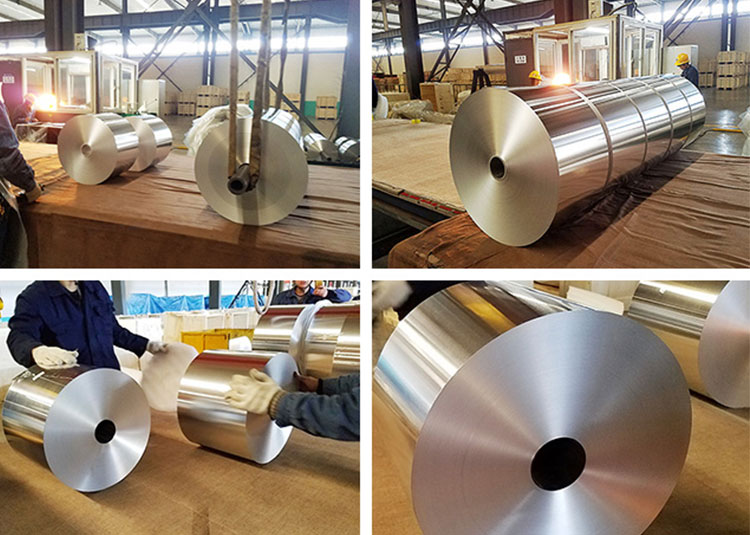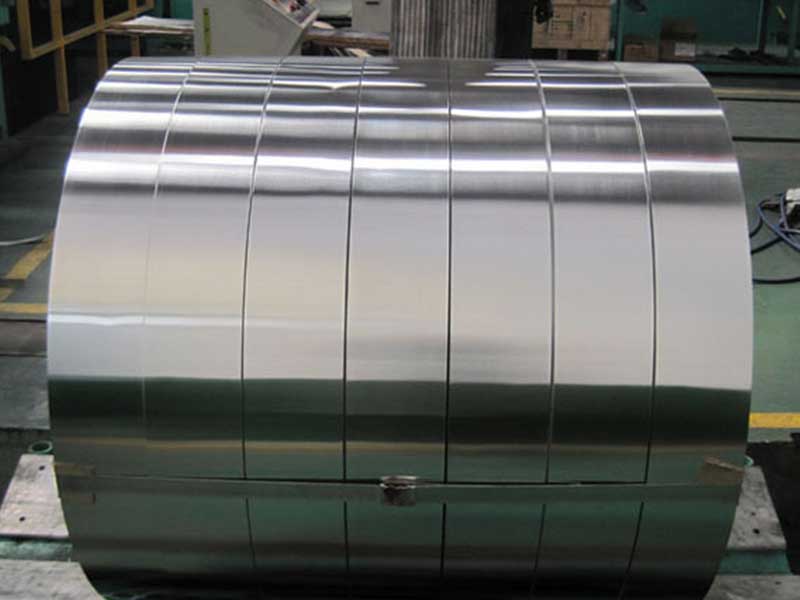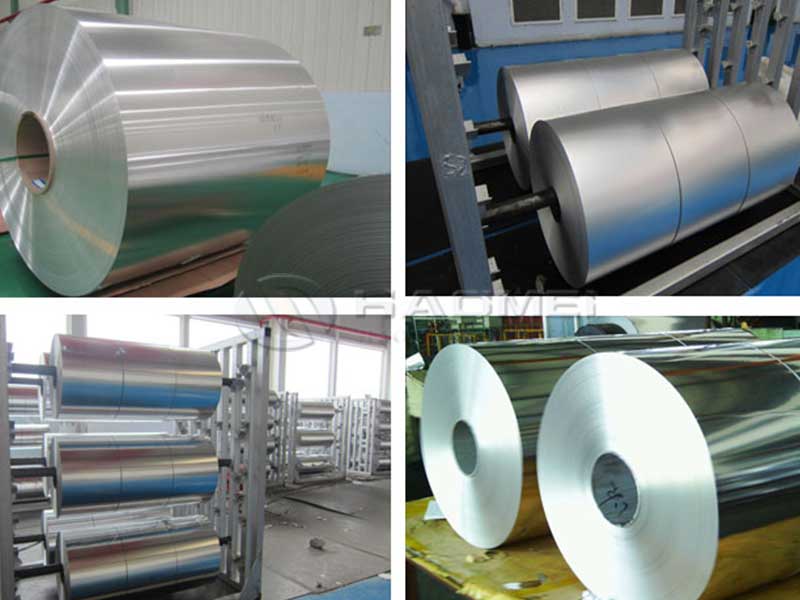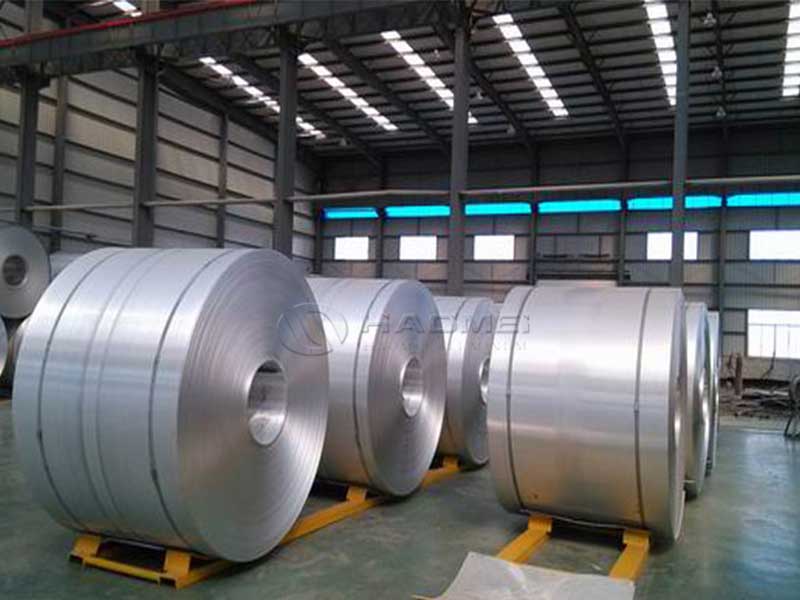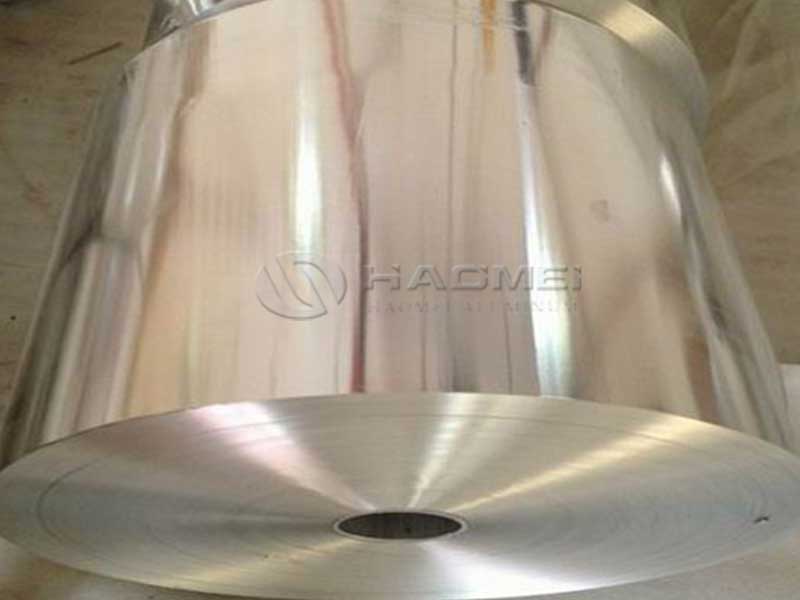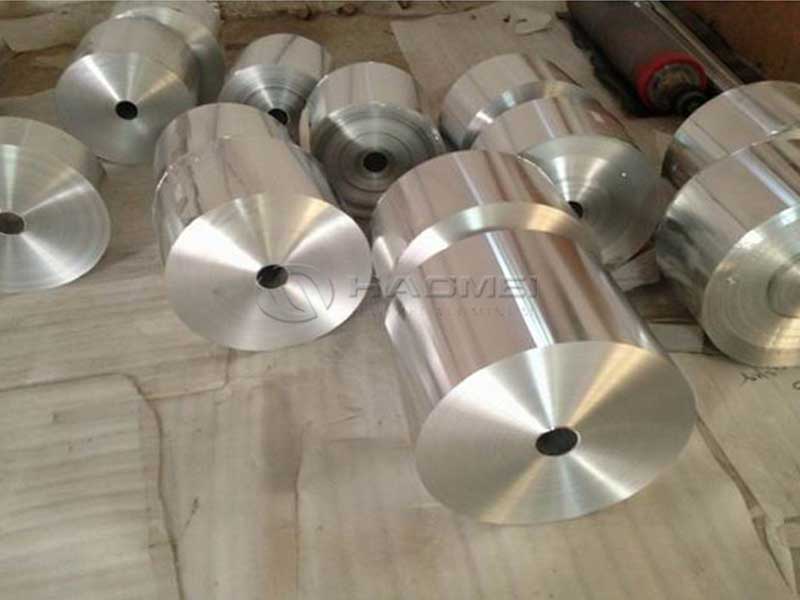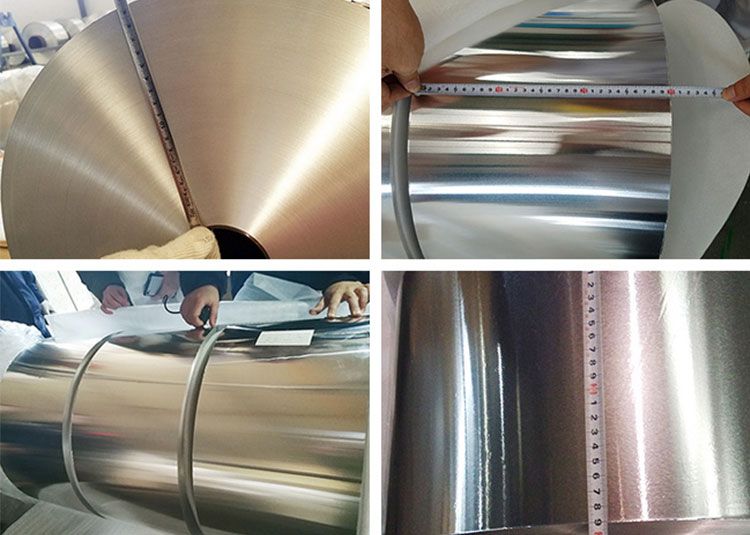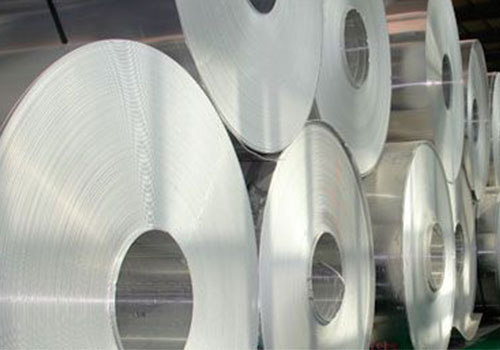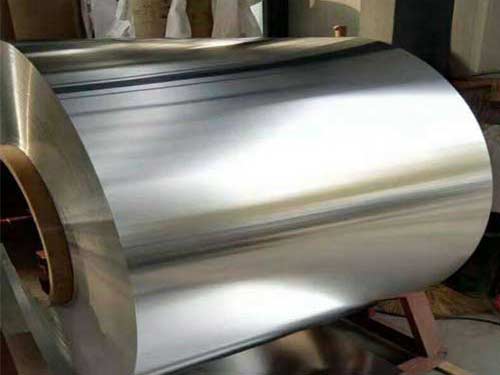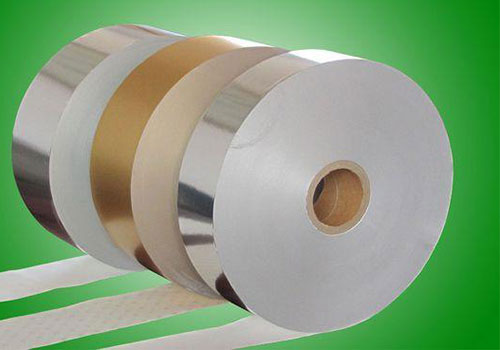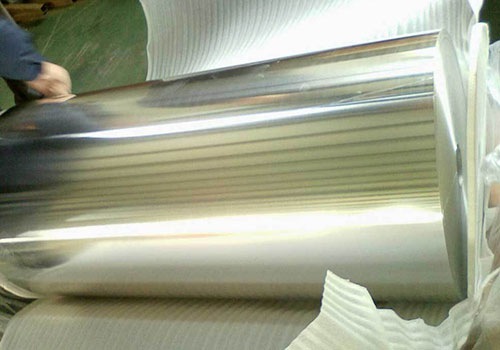

Printed aluminum foil designed for blister packaging is an essential material in the pharmaceutical industry for tablets and capsules. Combining protective properties with valuable branding opportunities, this type of foil enhances product safety and provides clear communication to consumers through custom labeling.
Aluminum foil used in blister packs serves as a primary barrier between the medicinal contents and external environmental factors such as moisture, light, and oxygen. The addition of custom printed graphics or text on the foil offers vital product information, dosage instructions, brand identity, and regulatory compliance details.
The unique combination of mechanical protection, chemical inertness, and custom printability makes printed aluminum foil an indispensable packaging solution that delivers both function and marketing advantages.
Functions:
- Barrier Protection: Shields tablets/capsules from moisture, oxygen, and light to maintain drug potency and shelf life.
- Tamper Evident: Helps ensure the integrity of the sealed unit, visually gauging one-time seal breach.
- Product Identification: Custom labeling supports branding, warnings, directions, and regulatory information.
- User Convenience: Easy-to-puncture foil backs that enable straightforward blister access.
- Safe Packaging: Food-grade, pharmaceutical-compliant materials maintain drug purity and patient safety.
Applications in Pharmaceuticals
The printed aluminum foil is widely adopted in the packing of variety of oral dosage forms, primarily:
- Solid tablets and capsules are sealed in PVC or PVDC cavities,
- Used widely across over-the-counter (OTC) and prescription drug packages,
- Suitable for seasonal or anti-allergy products requiring prominent branding,
- Compatible with feeding insert medicines, vitamins, and nutraceutical usage,
- Utilized in single-dose and multi-dose medication formats to enhance usability and safety.
Technical Details
the foil's composition, mechanical properties, and compliance with pharmaceutical packaging standards is crucial for customers seeking quality assurance and regulatory conformity.
Alloy and Tempering Conditions
Custom printed aluminum foil for blister packs is typically manufactured using high-purity aluminum alloys optimized for packaging.
| Parameter | Specification |
|---|---|
| Aluminum Alloy | 8011 (common), 1200 (pure) |
| Tempering | H14 (half-hard) common |
| Foil Thickness | 15 μm to 40 μm |
| Typical Widths | 100 mm to 350 mm |
| Surface Finish | Embossed or smooth |
- Alloy 8011 is popular due to its excellent formability, corrosion resistance, and barrier properties.
- Tempering in H14 (half-hard), or occasionally H18, provides strength necessary for punchability and performance during stacking in production lines.
Chemical Composition of Alloy 8011
| Element | Typical Content (wt.%) |
|---|---|
| Aluminum (Al) | 97.8 – 99.0 |
| Iron (Fe) | 0.80 – 1.20 |
| Silicon (Si) | 0.20 – 0.70 |
| Copper (Cu) | ≤ 0.20 |
| Manganese (Mn) | ≤ 0.15 |
| Others | Trace amounts |
Barrier and Mechanical Capabilities
| Property | Typical Values |
|---|---|
| Moisture Barrier | Excellent |
| Oxygen Permeability | < 0.05 cc/m²/day |
| Tensile Strength | 140 – 180 MPa |
| Elongation at Break | 7 – 10 % |
| Softening Point | 660 °C |
| Puncture Resistance | Optimized for successful punchability in blisters without tearing |
Printing and Custom Labeling Technology
Printed aluminum foil undergoes a sophisticated printing process designed for durable, clear images that stay intact during handling and storage. Common methodologies deployed include:
- Flexographic Printing: For fast and large volume runs with durable inks.
- Rotogravure Printing: Offers highest image resolution for complex designs.
- Screen Printing: Rarely used for short runs or special detail printing.
The use of quality inks formulated specifically for aluminum substrates ensures excellent adhesion, abrasion resistance, and chemical inertness. Custom printing can include:
- Product brand logos
- Dosage information
- Expiry date and batch number
- Regulatory logos and standards conformance marks (e.g., FDA, EU Pharma)
- Safety instructions and warnings
Requirements for Printed Foil Quality
| Standard | Description |
|---|---|
| ISO 15378 | Quality management packaging manufacturing for pharmaceuticals |
| FDA 21 CFR Part 175.300 | Approved ink components for indirect food contact |
| EU GMP Annex 1 | Good manufacturing for packaging materials |
Proper curing of print layers through UV treatment achieves strong bonding, reducing the risk of ink flaking and preserving package legibility even after exposure to intense light or moisture.
Implementation Standards and Regulatory Compliance
Ensuring printed aluminum foil complies with internationally accepted packaging standards guarantees safety and quality performance.
| Standard | Details |
|---|---|
| ISO 11607 | Packaging for terminally sterilized medical products |
| ASTM B479 | Specifications for aluminum and aluminum-alloy foil |
| EDF Guidance Document | Pharma grade packaging materials in parenteral drug products (EMEA/CHMP/PhVWP/404767/2006) |
| USP <382> | Packaging requirements for pharmaceuticals |
Correct certification and material testing assure blister packs maintain sterile and contamination-free conditions throughout the product lifecycle.