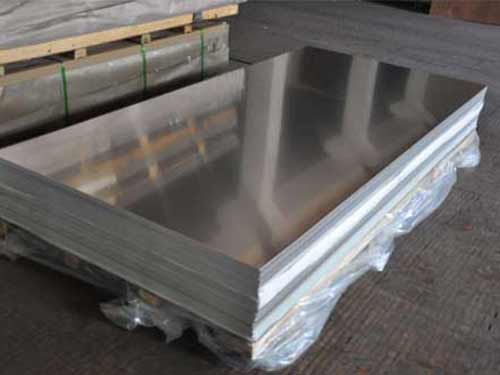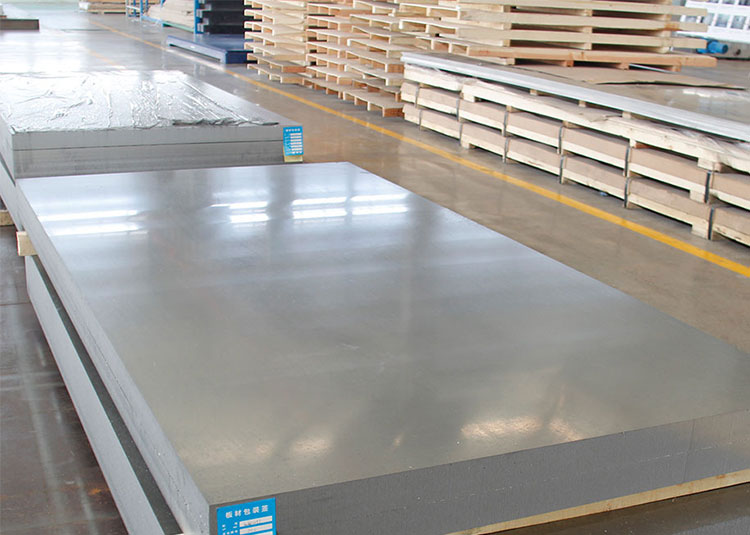

High-Strength Structural Alloy with Protective Anodized Finish
Anodized aluminum sheet 2014 T6 combines the high strength and fatigue resistance of 2014 alloy with the surface hardness, corrosion protection, and aesthetic enhancement of anodizing. This makes it a preferred material where structural performance and a durable surface are both required.
Aluminum 2014 is a heat-treatable Al-Cu-Mg-Si alloy known for:
- Very high strength (comparable to some steels at much lower weight)
- Good fatigue resistance
- Fair machinability
- Suitable for structural and aerospace-type applications
The T6 temper means:
- Solution heat-treated
- Artificially aged
- Optimized for maximum strength and stiffness
Anodizing adds:
- Hard, wear-resistant oxide layer
- Improved corrosion resistance
- Better paint and adhesive bonding
- Decorative finishes (clear or colored)
2. Chemical Composition of 2014 Aluminum Alloy
Typical chemical composition (mass %):
| Element | Symbol | Typical Range (%) |
|---|---|---|
| Copper | Cu | 3.9 – 5.0 |
| Silicon | Si | 0.5 – 1.2 |
| Magnesium | Mg | 0.2 – 0.8 |
| Manganese | Mn | 0.4 – 1.2 |
| Iron | Fe | ≤ 0.7 |
| Zinc | Zn | ≤ 0.25 |
| Chromium | Cr | ≤ 0.10 |
| Titanium | Ti | ≤ 0.15 |
| Others (each) | - | ≤ 0.05 |
| Others (total) | - | ≤ 0.15 |
| Aluminum | Al | Balance |
role of elements:
- Cu & Mg: High strength after heat treatment
- Si & Mn: Improve toughness, manufacturability
- Ti & others: Grain refinement and stability
Note: Composition ranges may vary slightly by standard (ASTM, EN, etc.) and supplier specifications.
3. Mechanical Properties (2014 T6, Typical Sheet Values)
| Property | Typical Value* | Unit |
|---|---|---|
| Tensile Strength, Rm | 430 – 480 | MPa |
| Yield Strength, Rp0.2 | 380 – 420 | MPa |
| Elongation (A50) | 8 – 12 | % |
| Brinell Hardness (HB) | 120 – 140 | HBW |
| Modulus of Elasticity | ~72 | GPa |
| Shear Strength | ~280 | MPa |
| Fatigue Strength (10⁷ cycles) | 95 – 125 | MPa |
| Density | ~2.80 | g/cm³ |
*Values are typical for 2014 T6 sheet; actual data depend on thickness, manufacturing route, and standards.
- Much stronger than 5xxx and 6xxx series sheet alloys
- Higher fatigue strength than common architectural alloys
- Moderate ductility but excellent for load-bearing, lightweight structures
4. Anodized Surface Characteristics
Anodizing converts the surface into controlled aluminum oxide (Al₂O₃). For 2014, proper process control is essential to achieve uniform appearance and good sealing.
4.1 Typical Anodic Layer Properties
| Parameter | Typical Range |
|---|---|
| Layer thickness (decorative) | 5 – 15 µm |
| Layer thickness (technical) | 15 – 25 µm (or higher) |
| Surface hardness | 250 – 500 HV (approx.) |
| Color | Natural (silvery) or dyed |
| Finish options | Matte, satin, brushed, bright |
Functional benefits:
- Abrasion resistance: Oxide layer significantly harder than base aluminum
- Improved corrosion resistance: Particularly when sealed in hot water or nickel-based seal
- Enhanced appearance: Stable color, uniform surface, suitable for visible structural parts
- Better bonding: Increased surface energy, good for adhesives and paints
5. Technical Specifications of Anodized 2014 T6 Sheet
Typical supply range (varies by mill and distributor):
| Item | Typical Specification Range |
|---|---|
| Alloy & Temper | 2014 T6 (AlCu4SiMg equivalent in some EN) |
| Thickness | 0.8 – 10 mm (other sizes on request) |
| Width | 500 – 2000 mm |
| Length (flat sheet) | 1000 – 6000 mm |
| Tolerance (thickness) | As per ASTM B209 / EN 485 or custom |
| Flatness | Controlled to sheet/plate standards |
| Surface Finish (pre-anodize) | Mill finish, brushed, or polished |
| Anodic Coating Type | Sulfuric acid anodizing (Type II) |
| Anodic Layer Thickness | 10 – 25 µm (customer-specified) |
| Sealing | Hot water or nickel-based seal |
| Standards | ASTM B209, B580, ISO 7599 (for anodizing) |
6. Performance Characteristics
6.1 Structural Performance
High Strength-to-Weight Ratio
- Suitable for load-bearing structures where mass reduction is critical.
- Often used to replace low-carbon steels in weight-sensitive designs.
Good Fatigue Resistance
- Appropriate for dynamic and cyclic loading environments (vibration, repeated stress).
Stiffness and Dimensional Stability
- Good modulus for rigid structural panels and frames.
- Heat-treated temper ensures stability over service life (when used within recommended temperature limits).
6.2 Corrosion and Environmental Resistance
| Environment Type | Performance (with Anodizing) |
|---|---|
| Indoor, dry | Excellent |
| Industrial atmosphere | Very good (with proper sealing) |
| Marine (salt spray) | Good to moderate – design care needed |
| Mild chemical exposure | Good for many neutral or weak solutions |
Note: Copper-containing alloys like 2014 are less corrosion-resistant than 5xxx/6xxx in bare condition, but anodizing significantly improves their performance, especially for indoor and mildly aggressive outdoor environments.
6.3 Machinability, Formability, and Joining
Machinability:
- Generally good, particularly in T6 temper.
- Suitable for milling, drilling, tapping, and precision machining before anodizing.
Formability:
- T6 temper is less formable than softer tempers (O, T3).
- Recommended:
- Perform major bending or forming before final T6 or choose larger bend radii.
- Avoid severe draws or deep profiles in fully hardened sheet.
Weldability:
- 2014 is not as weldable as non–heat-treatable alloys (5xxx).
- If welding is necessary, use appropriate filler and post-weld treatment; strength in HAZ may be reduced.
- Mechanical fastening (rivets/bolts) or adhesive bonding is often preferred.
7. Features and Benefits
7.1 Features
- High-strength Al-Cu alloy in T6 temper
- Anodized, sealed surface for durability
- Good fatigue and wear resistance
- Excellent dimensional stability
- Compatible with precision machining
7.2 Main Benefits for Customers
| Benefit Category | What It Means in Practice |
|---|---|
| Weight Reduction | Lighter assemblies vs. steel for same strength |
| Long Service Life | Higher resistance to wear and corrosion with anodize |
| Lower Maintenance | Stable finish, easy to clean, good color retention |
| High Reliability | Consistent mechanical properties in T6 temper |
| Aesthetic Flexibility | Clear or colored anodized options for visible parts |
| Design Freedom | Combines structure + appearance in a single material |
8. Typical Applications
1. Aerospace and Transportation Components
- Interior structural panels
- Brackets, stiffeners, and mounting plates
- Lightweight support frames
- Non-critical aircraft interior hardware (where 2014 is allowed by specification)
2. Automotive and Motorsport
- High-strength mounting plates (engine bay brackets, chassis interfaces)
- Lightweight structural panels for racing vehicles
- Suspension or steering system brackets (non-welded parts)
3. Industrial Machinery & Equipment
- Machine frames, base plates, and support panels
- Precision jigs, fixtures, and tooling plates
- Covers and guards requiring both stiffness and robust surface finish
4. Defense & Security Systems
- Structural parts for ground equipment
- Rugged housings and enclosures
- Brackets for optical or electronic systems (where anodized surface prevents wear and ensures repeatable mounting)
5. Architectural & Structural Hardware
- High-strength fittings and connectors
- Window/door reinforcement plates (hidden structural elements)
- Outdoor components where load + visual quality are required (with appropriate corrosion design)
9. Design & Selection Considerations
When choosing anodized aluminum sheet 2014 T6, consider:
Required Strength vs. Weight
- Use 2014 T6 where structural performance is critical and higher cost is justified.
Corrosion Environment
- For aggressive marine or chemical environments, evaluate if 5xxx/6xxx may be more suitable.
- If using 2014, ensure high-quality anodizing and sealing, and consider design measures to avoid crevice corrosion.
Forming and Fabrication Sequence
Typical recommended sequence:
- Cut, machine, and perform major forming
- Heat treatment to T6 (if not supplied as such)
- Final machining/finishing
- Surface preparation and anodizing as final step
Joining Method
- Prefer bolted, riveted, or bonded joints where possible.
- If welding is mandatory, consult welding and post-treatment guidelines; expect a reduction in local strength.
Tolerance and Flatness Requirements
- For precision assemblies, confirm sheet tolerances, flatness, and thickness variation with supplier.
Anodized aluminum sheet 2014 T6 offers a powerful combination of high structural strength, good fatigue performance, and a durable anodized surface. It is the right choice where:
- Load-bearing capability and stiffness are primary design drivers
- A hard, wear-resistant, and corrosion-resistant surface is required
- Parts must be machined accurately and maintain stability over time
While not the best option for severe forming or marine corrosion, it performs exceptionally in industrial, transportation, aerospace-type, and high-performance mechanical applications when correctly specified and anodized.
For specific projects, always verify detailed mechanical data, anodizing specs, and tolerances with your material supplier and relevant standards.