
Keeping produce fresh is mostly a barrier problem: moisture loss wilts greens, oxygen accelerates browning, and ambient odors migrate between foods. An affordable household aluminum foil roll solves these challenges with a practical, food-safe wrap that forms a tight barrier around vegetables and fruits-helping you preserve texture, slow oxidation, and reduce cross-contamination in the refrigerator or pantry.
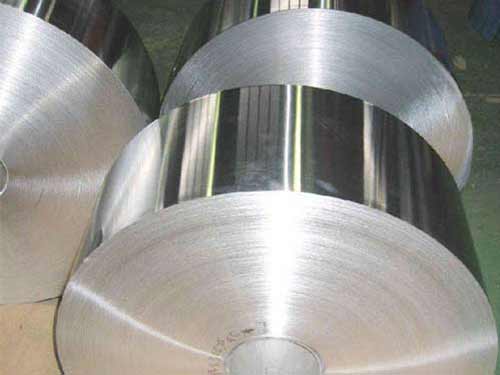
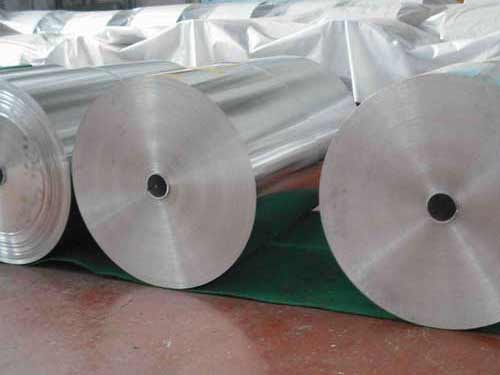
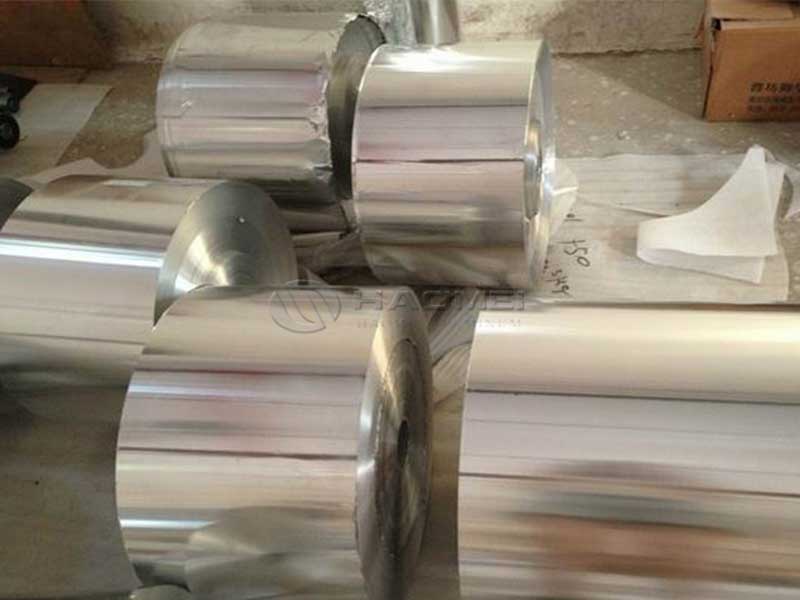
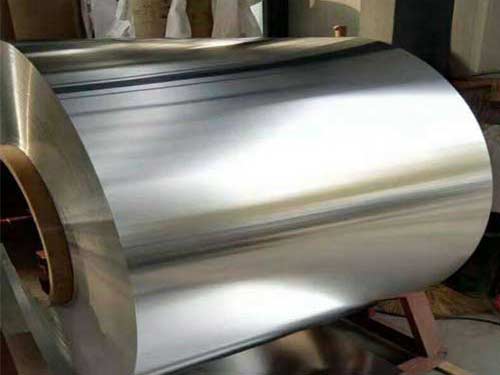
Household aluminum foil is a thin, flexible sheet made primarily from Aluminum (Al ≥ 99%), designed for everyday wrapping, covering, and light food protection. For fruits and vegetables, foil is especially useful because it:
- Creates a high barrier to light, oxygen, and odors
- Helps retain natural moisture (reducing dehydration and shriveling)
- Allows tight forming around uneven produce shapes (peppers, cucumbers, citrus, cut fruit)
- Supports clean handling and easy portioning for leftovers and meal prep
Note: Aluminum foil is ideal for many preservation tasks, but it is not a substitute for proper food hygiene, temperature control, or safe storage times.
Features That Matter for Produce Preservation
1) High-Barrier Protection
Aluminum foil provides excellent resistance to light and gas transmission, helping reduce oxidation-driven quality loss (e.g., browning on cut apples or avocados when combined with other steps like lemon juice and tight wrapping).
2) Moisture Retention and Shape Conformability
Foil conforms closely to produce surfaces and container rims, improving sealing effectiveness compared with loose wraps. This reduces moisture exchange, keeping vegetables crisp longer and fruit flesh less prone to drying.
3) Odor and Flavor Isolation
Refrigerators are harsh odor environments. Foil's barrier helps prevent transfer of smells between foods, which is particularly useful for cut onions, herbs, and ripe fruits.
4) Convenient, Cost-Efficient Daily Use
A roll format lets customers tear only what's needed. The result is low waste, low cost per wrap, and fast kitchen workflow.
Typical Technical Specifications (Household Grade)
Values below represent common household foil roll ranges. Exact parameters vary by supplier and target market.
| Parameter | Typical Range / Options | Why It Matters |
|---|---|---|
| Alloy family | 1xxx series (near-pure Al) | High formability, food-contact suitability |
| Temper | O (soft) | Easier wrapping, better conformity |
| Thickness | 9–20 μm | Thicker improves puncture resistance; thinner is more economical |
| Width | 250–450 mm | Fits bowls, plates, produce bundles |
| Roll length | 5–30 m (household common) | Determines cost per use and convenience |
| Surface finish | Bright / matte (one side may appear dull) | Both sides perform similarly for wrapping |
| Density (Al) | ~2.70 g/cm³ | Used for weight estimation and quality checks |
| Food-contact | Complies with local food-grade requirements* | Safety and regulatory alignment |
*Compliance depends on regional standards and supplier declarations (e.g., EU, FDA, or local regulations).
Chemical Composition (Typical for Household Foil Stock)
Most household foil is produced from near-pure aluminum with tightly controlled trace elements. Below is a representative composition range for Aluminum foil stock used in food applications.
| Element | Typical Content (wt%) | Role / Notes |
|---|---|---|
| Aluminum (Al) | ≥ 99.0 | Base metal; barrier performance and formability |
| Iron (Fe) | 0.2–0.7 | Controlled impurity; influences strength and conductivity |
| Silicon (Si) | 0.05–0.30 | Controlled impurity; affects casting/rolling behavior |
| Copper (Cu) | ≤ 0.05 | Kept low for corrosion resistance and food suitability |
| Manganese (Mn) | ≤ 0.05 | Trace; minor strengthening |
| Magnesium (Mg) | ≤ 0.05 | Trace; typically very low in household foil |
| Zinc (Zn) | ≤ 0.05 | Trace; controlled |
| Titanium (Ti) | ≤ 0.03 | Grain refinement in upstream processing |
Mechanical & Handling Properties (User-Relevant Performance)
Foil's "feel" and durability come from temper and thickness. Household foil is usually soft-tempered for easy wrapping.
| Property | Typical Household Foil Behavior | Practical Benefit |
|---|---|---|
| Formability | Very high | Wraps tightly around produce and container edges |
| Tearability | Easy hand tear | Quick portioning; no tools required |
| Puncture resistance | Thickness-dependent | Better protection for hard stems/edges (e.g., asparagus) |
| Pinholes | Low when quality-controlled | Better barrier for moisture/odor preservation |
| Heat resistance | High (for covering foods) | Useful for warm items (not directly related to produce) |
Preservation Performance: What Foil Helps You Achieve
| Preservation Challenge | What Foil Does | Common Examples |
|---|---|---|
| Dehydration (wilting/shriveling) | Slows moisture loss | Celery sticks, cucumber pieces, cut melon |
| Oxidation / browning | Reduces oxygen exposure (best when tight) | Cut apple/pear, avocado half (with lemon) |
| Odor transfer | Blocks odor migration | Onions, herbs, strong fruit aromas |
| Contamination from handling | Creates a clean barrier | Lunch prep, refrigerator storage |
| Light sensitivity | Blocks light | Some herbs and produce stored near fridge lighting |
Important practical point: For very high-respiration produce (some mushrooms, leafy greens), completely airtight wrapping may trap excess moisture and accelerate spoilage if the item is already wet. Foil works best when produce is dry and wrapped snugly but sensibly (not crushing).
Recommended Use Cases (Fruits & Vegetables)
Everyday Refrigerator Storage
- Half onions or lemon halves: Wrap tightly to contain odor and preserve juiciness.
- Cut cucumber / zucchini: Wrap ends to reduce moisture loss.
- Herb bundles: Lightly wrap to reduce dehydration; optionally add a paper towel layer for moisture control.
Lunch Prep & On-the-Go Portions
- Apple slices, carrot sticks, fruit wedges: Foil makes easy single portions and reduces exposure to open air in bags.
- Sandwich add-ons: Wrap tomato slices or pickled vegetables separately to prevent sogginess.
Freezer Support (Short to Mid-Term)
- Foil can serve as an outer wrap for produce portions (e.g., sliced peppers). For best results, combine with a freezer bag to reduce air gaps and prevent freezer odor pickup.
How to Wrap for Best Results (Quick Method)
| Step | What to Do | Why It Works |
|---|---|---|
| 1 | Dry the produce surface | Reduces trapped moisture that can promote spoilage |
| 2 | Use enough foil to fully cover | Minimizes exposed edges and air exchange |
| 3 | Wrap snugly (not crushing) | Better barrier without bruising fruit |
| 4 | Fold seams down firmly | Reduces gaps for oxygen/odor migration |
| 5 | Label if needed | Helps track freshness and reduce waste |
| Benefit | Customer Value |
|---|---|
| Affordable preservation | Low cost per wrap; reduces food waste |
| Better freshness retention | Helps maintain crispness and juiciness |
| Odor control | Keeps fridge smelling cleaner; reduces flavor mixing |
| Easy to use | Fast tear-and-wrap convenience |
| Versatile | Works for produce, leftovers, and general kitchen covering |
Practical Notes & Safe Use Guidance
- Avoid wrapping highly acidic or salty foods for very long storage (e.g., vinegar-heavy items) as extended contact can increase aluminum interaction; for fruits/vegetables this is usually manageable, but for marinated items consider a food container barrier.
- Do not use in microwave unless the appliance manual explicitly allows it (standard foil can cause arcing).
- For best produce results, pair foil with good habits: cool storage, clean handling, and appropriate storage durations.