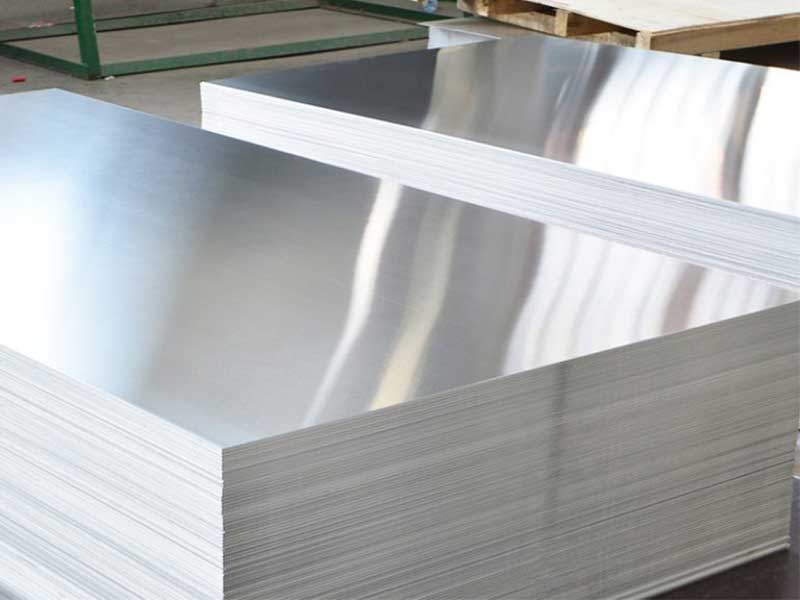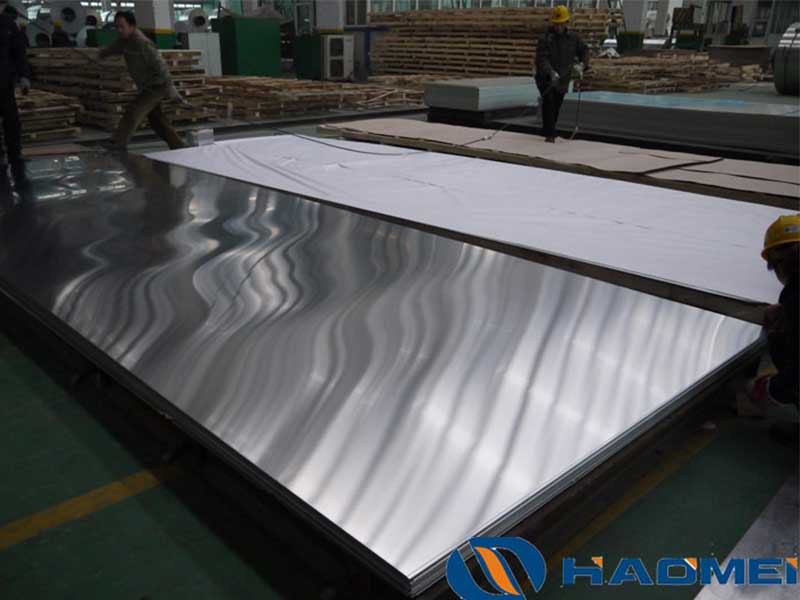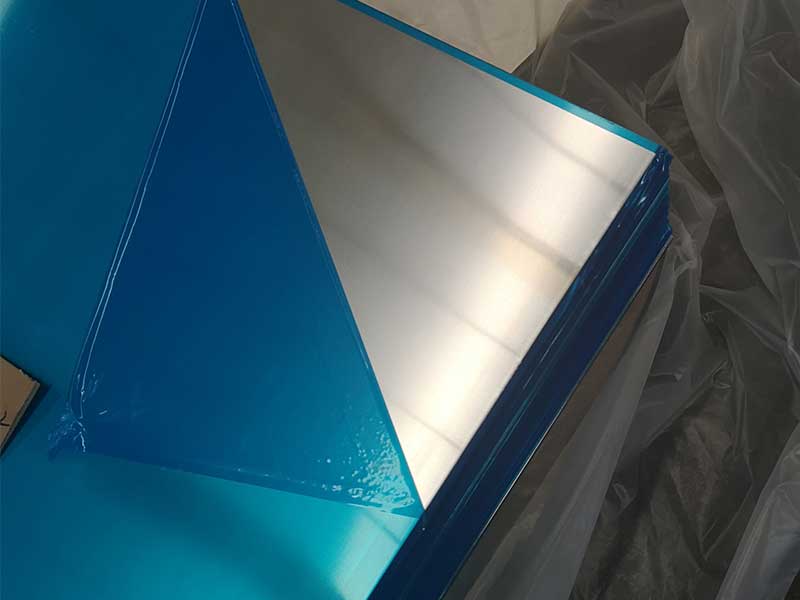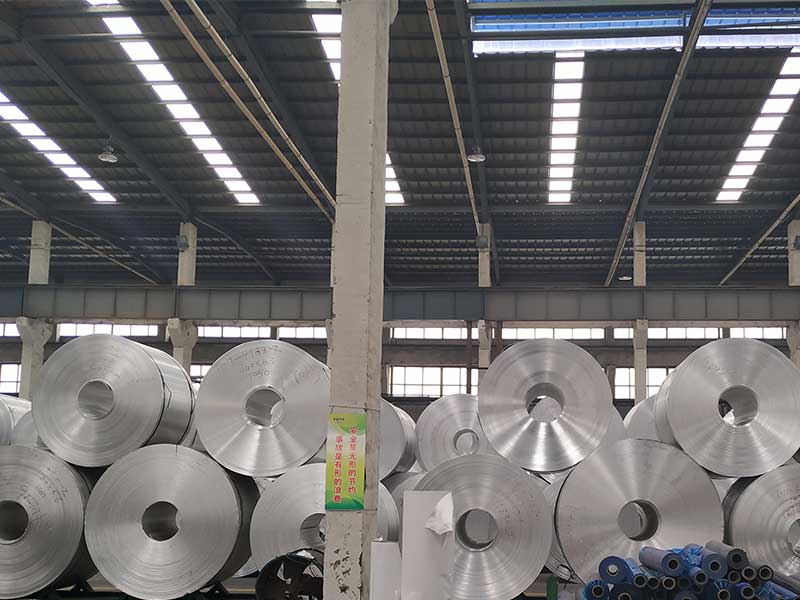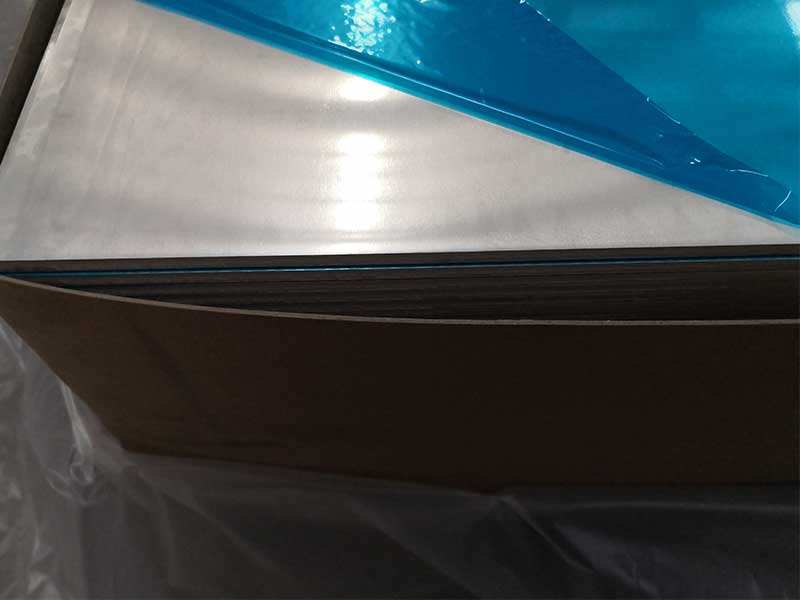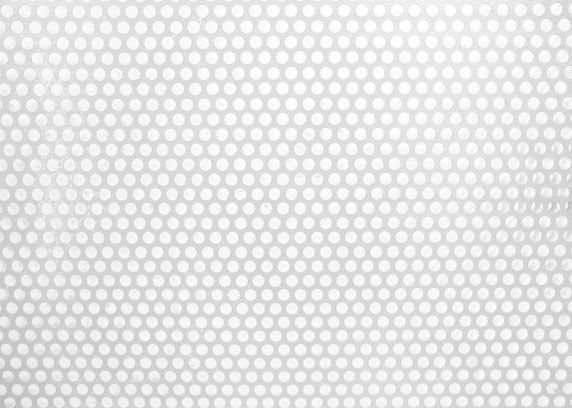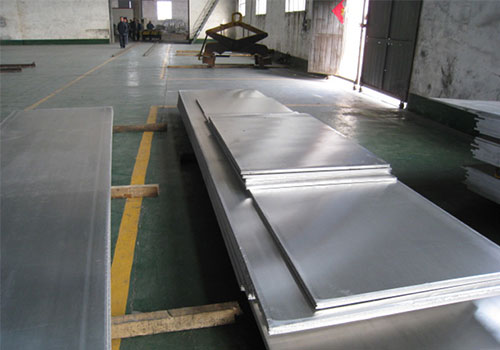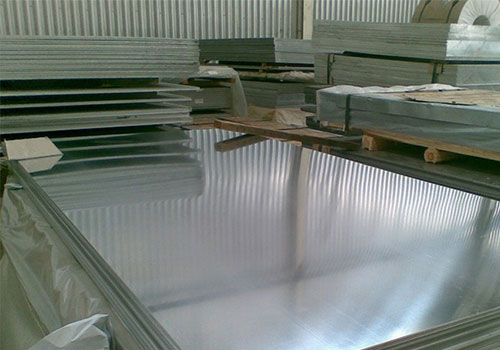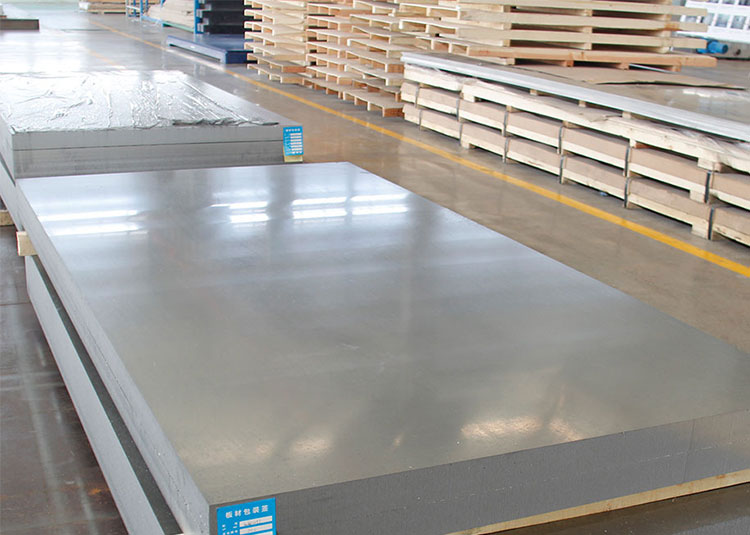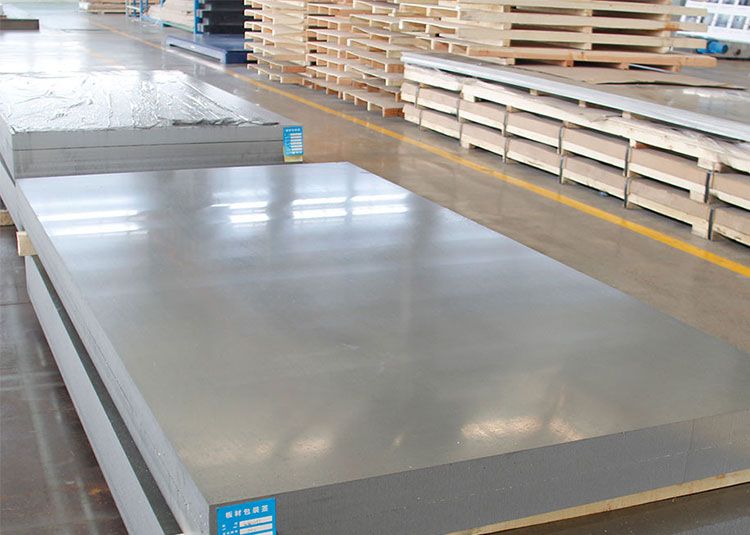
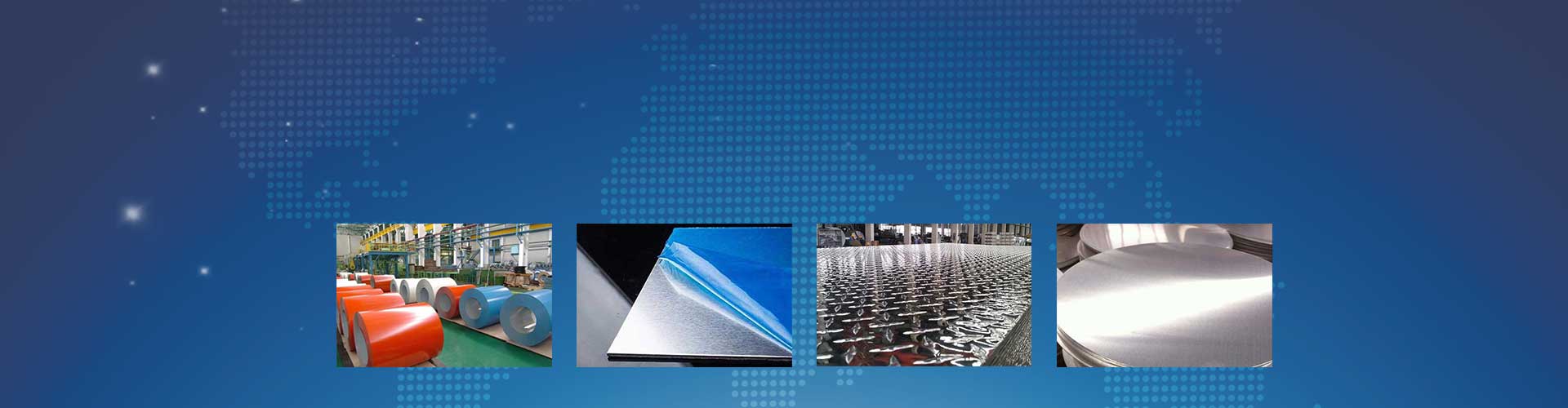
The 3003 brushed anodized pure alloy aluminum coil roll is a high‑performance, corrosion‑resistant aluminum material widely used in architecture, household appliances, decorative panels, and industrial applications. By combining the inherently good formability and corrosion resistance of 3003 aluminum alloy with brushed surface finishing and anodizing, this product offers an excellent balance of aesthetics, durability, and workability.
3003 aluminum is a typical Al–Mn (manganese) wrought alloy with good rust resistance and medium strength. It is non-heat-treatable, and strength is mainly improved by cold working (H temper).
characteristics of 3003 alloy base material:
- Good corrosion resistance (better than 1000 series in many environments)
- Better strength than 1100/1050 alloys
- Excellent deep-drawing and bending formability
- Good welding and brazing properties
- Suitable for anodizing (particularly for protective and decorative oxide layers)
2. Chemical Composition of 3003 Alloy
Typical chemical composition (reference values, in mass %):
| Element | Symbol | Typical Content (%) | Function / Effect |
|---|---|---|---|
| Aluminum | Al | Balance (≈ 96.8–99) | Base metal, provides light weight and ductility |
| Manganese | Mn | 1.0 – 1.5 | Improves strength and corrosion resistance |
| Copper | Cu | 0.05 – 0.20 | Increases strength slightly |
| Silicon | Si | ≤ 0.6 | Minor impurity, affects castability, appearance |
| Iron | Fe | ≤ 0.7 | Minor impurity, influences strength and color |
| Zinc | Zn | ≤ 0.10 | Trace element |
| Titanium | Ti | ≤ 0.05 | Grain refinement (if present) |
| Others (each) | - | ≤ 0.05 | Residual tolerances |
| Others (total) | - | ≤ 0.15 |
Note: Exact composition may vary by standard (EN, ASTM, GB/T) and mill production.
3. Product Structure: Brushed + Anodized + Coil Roll
This product is typically supplied as continuous coils that can be slit or cut to sheet/strip form.
3.1 Surface Finish: Brushed
- Process: Mechanical grain (hairline, straight grain, cross-brushed, etc.) using abrasive belts/wheels
- Visual effect:
- Uniform line texture
- Soft metallic reflection
- Reduces the visibility of minor scratches and handling marks
- Functional effect:
- Improves paint/film adhesion in some post‑processing steps
- Slightly increases surface area, assisting in bonding
3.2 Anodized Layer
Anodizing creates a controlled aluminum oxide (Al₂O₃) film on the surface.
Typical anodizing characteristics:
| Parameter | Typical Range / Options | Description |
|---|---|---|
| Oxide film thickness | 5 – 25 µm (0.005–0.025 mm) | Thicker films for outdoor / heavy-duty use |
| Anodic film type | Sulfuric acid anodizing | Common industrial protective/decorative type |
| Colors | Silver, champagne, bronze, black, etc. | Achieved via dyeing or electrolytic coloring |
| Surface finish after anodize | Satin metallic, emphasizes brushed grain | Decorative and anti-fingerprint effect |
Benefits of anodizing:
- Enhanced surface hardness
- Greatly improved corrosion resistance
- Increased wear resistance compared with bare aluminum
- Stable color (for anodized and sealed surfaces)
- Environmentally friendly finish (no heavy chromium coating)
4. Technical Specifications
Typical technical specification parameters (can be customized):
4.1 Alloy & Temper
| Item | Options / Description |
|---|---|
| Alloy grade | 3003 |
| Temper | O (soft), H14, H16, H18, H24, H26, etc. |
| Standard | ASTM B209 / EN 573 / EN 485 / GB/T 3190 (as applicable) |
4.2 Dimensions
| Parameter | Typical Range / Example Values |
|---|---|
| Thickness (t) | 0.20 – 3.00 mm (common: 0.3–1.5 mm) |
| Width (w) | 20 – 1500 mm (commonly up to 1250 mm) |
| Coil inner diameter | 150 / 300 / 405 / 500 mm (as specified) |
| Coil outer diameter | Typically ≤ 1500 mm |
| Coil weight | 500 – 8000 kg per coil (per requirement) |
| Brushed pattern | Straight hairline / long line / fine line / cross-brush |
| Anodized color | Natural silver / black / champagne / customized |
Actual dimensions subject to mill capability and customer drawings.
4.3 Tolerances (reference values)
| Feature | Typical Tolerance Range * |
|---|---|
| Thickness | ±0.02 – ±0.06 mm (depending on thickness) |
| Width | ±0.5 – ±1.0 mm |
| Length (for cut sheets) | ±1.0 – ±2.0 mm |
| Diagonal | ≤ 2.0 mm / 1000 mm |
| Flatness | ≤ 3.0 mm / m (depends on standard/grade) |
* Exact tolerances depend on standard and order requirements.
5. Mechanical Properties of 3003 Alloy (Typical)
Mechanical properties depend strongly on temper and thickness. Below are reference values for sheet/coil products:
5.1 Mechanical Property Table
| Temper | Thickness (mm) | Tensile Strength Rm (MPa) | Yield Strength Rp0.2 (MPa) | Elongation A50 (%) | Typical Use Characteristics |
|---|---|---|---|---|---|
| O | 0.5 – 3.0 | 95 – 130 | ≥ 35 | 20 – 35 | Maximum formability, deep drawing, spinning |
| H14 | 0.3 – 2.0 | 140 – 180 | 115 – 145 | 8 – 15 | Balanced strength / formability, general use |
| H16 | 0.3 – 2.0 | 165 – 205 | 145 – 175 | 5 – 12 | Higher strength, moderate forming |
| H18 | 0.2 – 1.0 | ≥ 185 | ≥ 165 | 3 – 8 | High strength, limited forming, flat panels |
| H24 | 0.3 – 2.0 | 130 – 170 | 115 – 140 | 10 – 16 | Widely used stiff panel, moderate forming |
| H26 | 0.3 – 2.0 | 150 – 190 | 135 – 165 | 7 – 12 | Higher strength outdoor panels / trims |
Values are indicative and can vary with standard (ASTM/EN/GB) and mill practice.
6. Physical & Performance Data
6.1 Physical Properties
| Property | Value / Description |
|---|---|
| Density (at 20 °C) | ~ 2.73 g/cm³ |
| Melting range | 643 – 654 °C (approx.) |
| Thermal conductivity | ~ 160 – 190 W/(m·K) |
| Electrical conductivity | ~ 40 – 50 % IACS |
| Modulus of elasticity (E) | ~ 69 GPa |
| Coefficient of thermal expansion | ~ 23.2 × 10⁻⁶ /K (20–100 °C) |
6.2 Anodized Surface Performance (Typical)
Values may vary depending on anodizing process, film thickness and sealing.
| Parameter | Typical Value / Range |
|---|---|
| Surface hardness (HV of anodic film) | 250 – 400 HV (vs ≈ 30–40 HV substrate) |
| Salt spray resistance | > 500 h neutral salt spray (ASTM B117 Equivalent) under standard conditions for properly sealed 10–15 µm film |
| Adhesion | Cross-hatch test 100% pass (no flaking) |
| Wear resistance | Improved 3–10× vs. bare aluminum (application-dependent) |
| Gloss level (60°) | Low to medium gloss (because of brushed texture) |
| UV resistance | Very good for natural and inorganic-colored films |
7. Features & Advantages
7.1 Aesthetic Appearance
- Uniform brushed grain provides a high-end metallic look
- Anodizing enhances depth of color and tones (silver, champagne, bronze, black, etc.)
- Reduced fingerprint visibility compared to mirror or plain mill finish
- Ideal for visible, decorative or brand-sensitive components
7.2 Corrosion Resistance
- 3003 alloy + anodic film combination offers excellent anti-corrosion behavior:
- Resistant to moisture, industrial atmosphere, some mild chemicals
- Especially suitable for indoor and controlled outdoor applications
- Proper sealing of anodic pores increases durability in polluted or marine atmospheres (depending on design)
7.3 Mechanical & Processing Benefits
- Good bending, shearing, punching, deep drawing (particularly in O / H14 tempers)
- Coil form suitable for continuous production lines:
- Roll forming
- Continuous punching and cutting
- Automatic laminating or bonding
- Suitable for welding (TIG/MIG, resistance welding) and brazing under recommended conditions
7.4 Lightweight & Structural Efficiency
- Approximately one-third the density of steel, enabling:
- Lower weight structures
- Easier handling and transportation
- Reduced inertia for dynamic components and panels
7.5 Sustainability
- Aluminum is highly recyclable with minimal property loss
- Anodized surfaces are environmentally friendlier than many organic coatings:
- No heavy metal residue in final surface layer
- Long service life lowers lifecycle environmental impact
8. Main Application Fields
Because of its combined aesthetics and performance, 3003 brushed anodized pure alloy aluminum coil roll finds use in multiple industries.
8.1 Architectural & Decorative Panels
Typical uses:
- Interior wall cladding / ceiling tiles
- Elevator cabin panels and control panels
- Wall décor, column covers, lobby decoration
- Decorative strips, edge trims, skirting lines
Why suitable:
- Excellent lettering, pattern printing, and laser marking
- Durable with minimal maintenance buildups of dirt and corrosion
- Can be fabricated into various panel sizes and bending geometries
8.2 Consumer Electronics & Home Appliances
Applications include:
- Appliance nameplates, face panels, trims (refrigerators, washing machines, microwaves)
- Stereo and amplifier panels, instrument panels
- Laptop shell trim, docking station outer covers
- Switch panels, series sockets fascia components
Advantages:
- Premium metallic look raises perceived product quality
- Good dimensional stability for precise assembly fit
- Resistant to daily contact, household chemicals (depending on design)
8.3 Transportation & Automotive Interior
Common uses:
- Interior decoration trims (door trims, center consoles using formed/aluminum over plastic, etc.)
- Instrument cluster decorative rings or face masks
- Non-structural interior panels requiring aesthetics
8.4 Furniture & Commercial Fixtures
Used for:
- Furniture handles and decorative edges
- Cabinet doors and fronts (lightweight)
- Retail display panels, signage backgrounds
- Lighting fixtures, LED housings & retainer rings
Features:
- Easy to clean surfaces for public environments
- Good light reflectivity and design flexibility
8.5 Industrial & Mechanical Equipment Covers
- Control cabinets panels
- Machine cover plates, dashboard plates
- Meter panels, branded nameplates
Benefits:
- Durable label/background capability
- Smart integration of imaging, sign, or scale printing on anodized film
9. Processability & Fabrication Notes
9.1 Cutting & Shearing
- Suitable for guillotine shearing, slitting, CNC punching
- Brushed anodized surface requires attention:
- Use sharp tools to avoid edge burrs/tears that may damage the decorative surface
- Protect surface (PE film) during fabrication to avoid scratches
9.2 Bending & Forming
| Temper | Bending Radius Recommendation (relative to thickness, r/t) |
|---|---|
| O | r/t ≈ 0 – 1 (sharp bends allowed) |
| H14 | r/t ≈ 1 – 3 |
| H18 | r/t ≈ 3 – 5 |
- Always bend with or across the grain according to process design; test prototypes advised:
- Brushed direction may impact cracking risk along bend lines
- Anodized layer is brittle compared to substrate; avoid severely over-bending to prevent micro‑cracks in the oxide film
9.3 Welding and Joining
- MIG/TIG welding feasible with standard Al–Mn/Al–Si fillers (e.g., ER3003, ER4043 depending on requirements)
- Resistance spot welding possible but anodic film must usually be locally removed first or surfaces brushed/ground in weld region
- Common mechanical joints: screwing, riveting, clinching, riveting with washers to protect surface
9.4 Cleaning & Maintenance
- Use mild, neutral detergents and soft cloth or sponge
- Avoid:
- Strong alkalis/acid cleaners
- Abrasive pads, steel wool;
- Chloride-rich aggressive detergents in long-term contact
- Regular cleaning extends lifetime and maintains decorative appearance
10. Quality Control Items (Typical)
| Inspection Item | Method / Standard Example |
|---|---|
| Thickness & width | Vernier / micrometer & tape measure (per EN/ASTM) |
| Mechanical properties | Tensile test (EN ISO 6892 / ASTM E8) |
| Surface quality | Visual inspection under defined lighting |
| Film thickness (anodic coating) | Eddy current measuring method / cross-section microscopy |
| Color & gloss uniformity | Color difference meter (ΔE) & glossmeter |
| Adhesion of film | Cross-hatch adhesion test |
| Corrosion resistance | Neutral salt spray (ASTM B117 or equivalent) |
| Flatness, coilset, camber | Straight-edge & rolling test methods |
11. Ordering & Customization Options
When specifying 3003 brushed anodized pure alloy aluminum coil roll, customers should typically define:
| Parameter | Description / Options |
|---|---|
| Alloy & temper | 3003, with temper (O / H14 / H18 / H24 / etc.) |
| Thickness & width | e.g., 0.6 × 400 mm, 1.0 × 1000 mm |
| Anodizing specification | Film thickness (e.g., 8 µm / 12 µm / 20 µm), color, sealing requirement |
| Brushing direction & grain | Long grain along coil length / across, fine or coarse grain |
| Surface protection | PE protective film (single side or both sides), paper interleaving |
| Coil ID/OD & weight | Suarez ID (e.g., 405 mm), target coil weight, max weight |
| Standards & inspection items | ASTM / EN / GB and demand for certificates: Mill Test Certificate (MTC), RoHS, REACH, etc. |
The 3003 brushed anodized pure alloy aluminum coil roll is an ideal solution for customers who require:
- Functional yet visually attractive metal surfaces
- Effective corrosion resistance and extended service life
- Good formability for shaped panels, trims and appliance components
- Adaptability for mass continuous production (coil-to-part)
By appropriately selecting alloy temper, thickness, surface finish, and anodizing parameters, the material can balance aesthetic, mechanical and environmental performance for a range of high value‑added applications in architecture, appliances, transportation, furniture, electronics and more.